Performance Marketing
UK Insolvency — Meta Ads Lead Generation
UK insolvency advisory · Campaign lead · United Kingdom
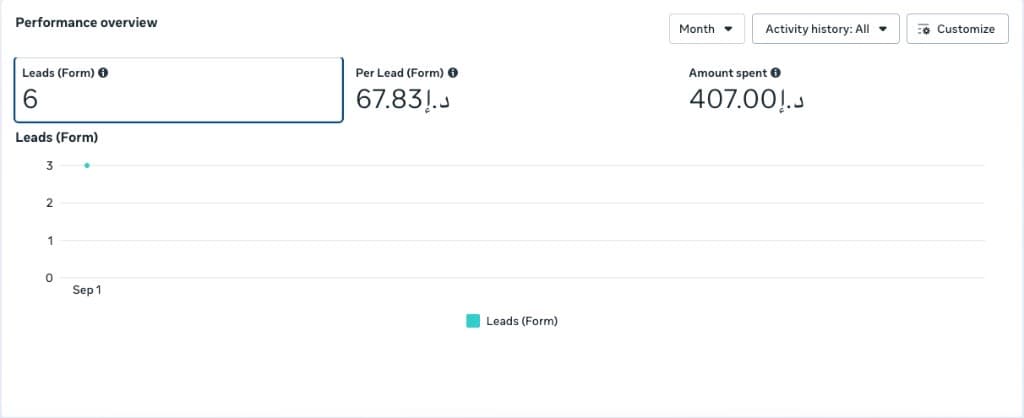
- Form leads
- 6
- Spend
- AED 407
- Cost per lead
- AED 67.83
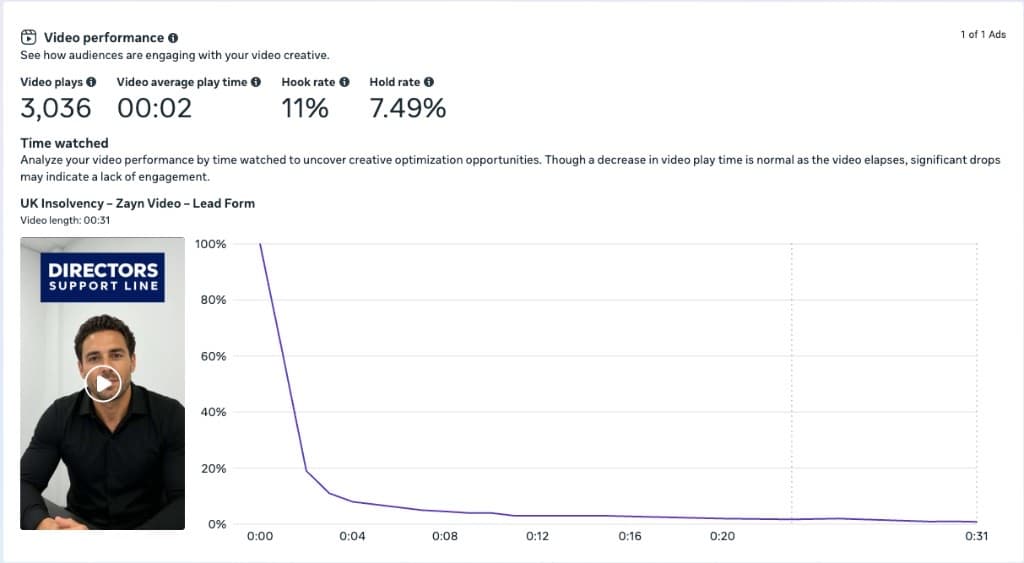
- Video plays
- 3,036
Overview
This is an early Meta Ads test for a UK insolvency advisory, aimed at company directors and business owners who may be dealing with liquidation, HMRC debt or wider financial difficulty. The funnel was a 31-second video ad into a Meta Instant Form with qualification questions, then lead capture for the sales team. In this reporting window the campaign produced 6 Instant Form leads from AED 407 (AED 67.83 / about £14 per lead). That is a useful signal, not a finished result.
The Problem
The client needed inbound enquiries from UK directors, not generic social traffic. The job was to put a serious offer in front of people already under financial pressure, qualify them in the form, and pass usable leads to sales — without spending into a creative that nobody watches.
My Role
I planned and ran the Meta campaign: offer positioning, video-led creative, Instant Form qualification, placement and the first reporting pass. At this stage the useful work is reading creative, audience and funnel together, then choosing the next test — not treating six form fills as proof the campaign is done.
What the data showed
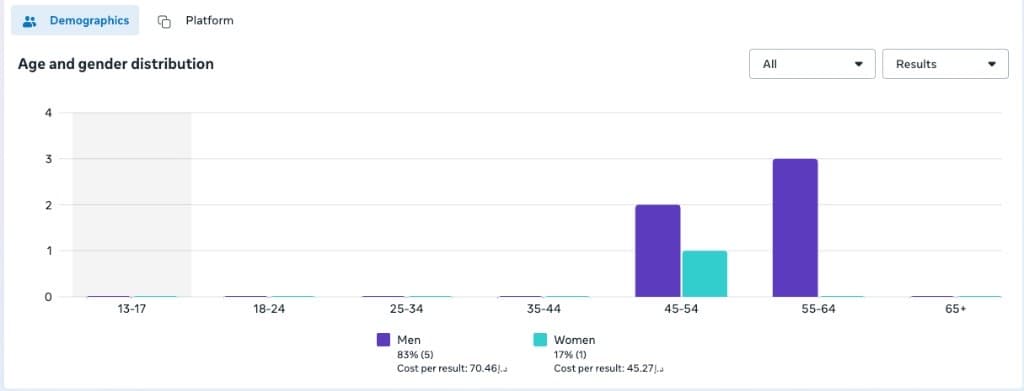
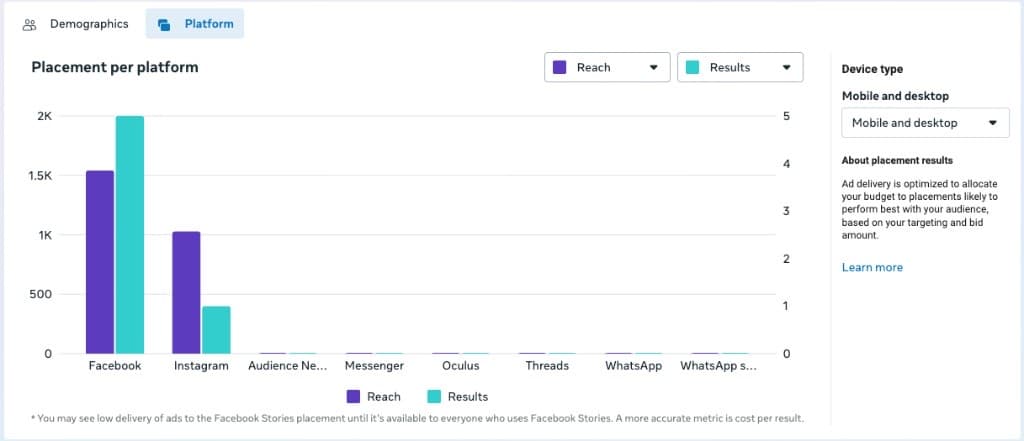
The campaign is generating Instant Form leads at AED 67.83 each. Almost nobody is watching the video. Average play time is two seconds on a 31-second asset; hook rate is 11% and hold rate is 7.49%. Delivery and results concentrated on Facebook (5 leads) over Instagram (1). Age and gender split is 5 men and 1 woman, all 45–64 — a real pattern in this sample, not yet a targeting conclusion. Form volume is also not the same as sales-accepted lead quality.
Solution
Keep the funnel (video → Instant Form → qualification → sales). The next optimisation is the opening two to three seconds of the video, because that is where retention collapses. After the hook test, the campaign should be judged on sales-accepted enquiries, not on Instant Form volume alone.
The funnel
- Video ad aimed at UK directors facing insolvency, HMRC debt or financial difficulty
- Meta Instant Form with qualification questions before lead capture
- Facebook and Instagram delivery, with Facebook producing most of the results
- Reporting across creative, audience, placement and cost per lead
- Next test locked to the opening 2–3 seconds, not a full rebuild of the funnel
Results / Outcome
- 6 Instant Form leads from AED 407 spend (AED 67.83 cost per lead)
- 5 leads from Facebook, 1 from Instagram, from 3,036 video plays
- Early audience signal: 5 of 6 leads were men, all aged 45–64 — too small a sample to treat as targeting truth
- Creative finding: 2-second average watch time, 11% hook rate and 7.49% hold rate on a 31-second video — next test is the opening 2–3 seconds
- Form fills are not yet sales-qualified; lead quality is the next gate after creative
Technology
Related Services
Need paid social that you can actually read?
If you have a lead-gen offer and messy Meta reporting, send the current creative, funnel and spend. I will tell you what I would test next.